
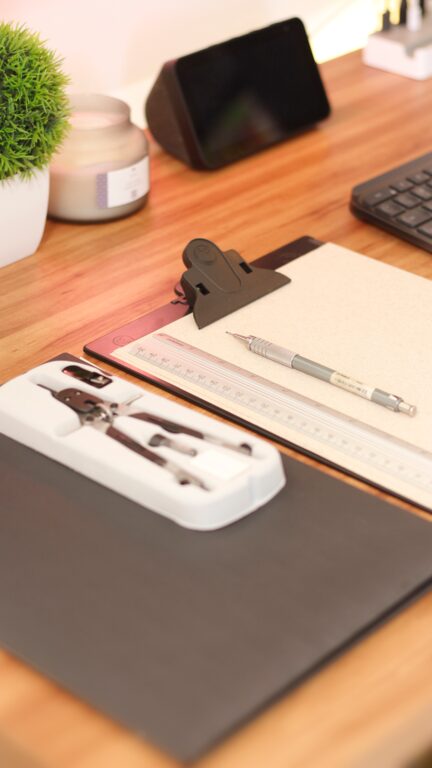
Creating a well-organized workspace can significantly impact how productive and creative you feel throughout your day. Whether you work from home, in a traditional office, or a creative studio, a clutter-free and thoughtfully arranged area encourages focus, reduces stress, and inspires new ideas. Here are practical tips to help you organize your workspace for maximum productivity and creativity.
Why Organizing Your Workspace Matters
An organized workspace is more than just a tidy desk. It’s about creating an environment that supports your workflow and mental clarity. When your workspace is cluttered, it can be harder to concentrate, find important materials, or even feel motivated. Conversely, a neat space can make tasks feel manageable and open up room for creative thinking.
Start With Decluttering
Remove Unnecessary Items
Begin by clearing off your desk and sorting through your supplies. Keep only what you use daily within arm’s reach. Items that are rarely used should be stored away or removed entirely.
Sort and Categorize
Use bins, trays, or drawers to separate items by category—pens, paper, electronics, and so on. Labeling these containers can save time searching for things later.
Arrange for Efficiency
Position Frequently Used Items Nearby
Place your most commonly used tools where they are easy to access. For example, if you write often, keep your favorite pens and notebooks close.
Optimize Desk Layout
Set up your computer screen at eye level, and position keyboard and mouse comfortably to reduce strain. This arrangement supports longer, more focused work sessions.
Incorporate Storage Solutions
Use Vertical Space
Wall shelves, pegboards, or corkboards can keep supplies and reminders visible without cluttering your desk.
Drawer Organizers
Drawers help keep items out of sight but accessible. Use dividers to keep small objects like paper clips or USB drives neat.
Create Zones for Different Tasks
If you have enough space, designate specific areas for different activities. For example, one corner can be for computer work, another for brainstorming ideas with paper and markers. This separation helps switch between tasks smoothly.
Personalize Without Overdoing It
Adding a few personal touches like plants, photos, or artwork can make your workspace more inviting and boost your mood. However, avoid overcrowding your desk with too many decorations that might become distractions.
Use Technology Wisely
Keep cords organized with clips or ties to prevent tangling. Digital tools such as task managers or note apps can reduce paper clutter and help keep your workflow streamlined.
Maintain Cleanliness Regularly
Set aside time each week to tidy your workspace. Regular upkeep prevents buildup of clutter and helps you stay on track with an organized environment.
Foster Creativity with Inspiration
Keep a space nearby for inspirational items such as a vision board, sketches, or quotes that motivate you. Seeing these reminders can spark new ideas and keep your creative energy flowing.
Consider Lighting and Comfort
Good lighting reduces eye strain and uplifts your mood. Whenever possible, work near natural light sources. Additionally, invest in a comfortable chair and desk setup that supports good posture.
Final Thoughts
An organized workspace is a key ingredient for productive and creative work. By decluttering, arranging efficiently, incorporating storage, and adding a personal touch, you create a space that encourages focus and inspiration. Take small steps each day to maintain your space, and you’ll likely notice positive changes in how you work and create.