
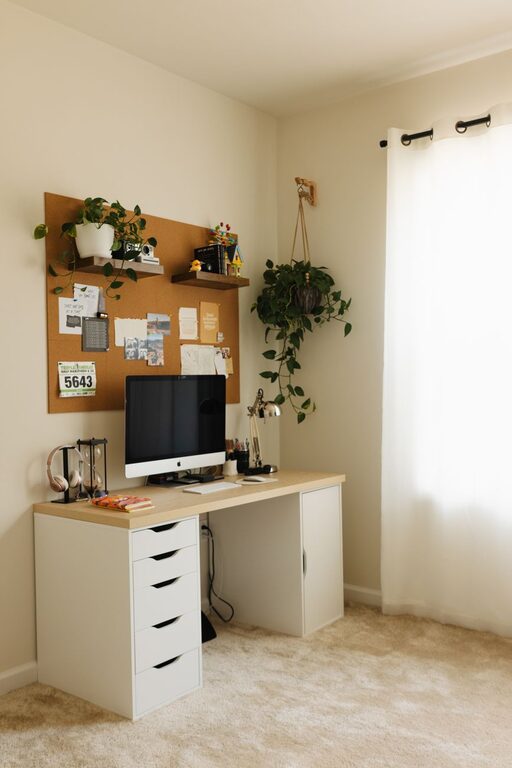
Creating a home office that is both cozy and productive is essential for working comfortably and effectively. Whether you’re new to remote work or looking to improve your current setup, small changes can make a big difference. This guide offers practical tips to help you design a workspace that supports your focus while also making you feel relaxed and inspired.
Why a Cozy Home Office Matters
A workspace that feels inviting encourages you to spend time there without discomfort or distraction. When your home office is cozy, you’re more likely to look forward to work hours, which can lead to increased motivation and satisfaction. Additionally, a well-organized and pleasant environment helps reduce stress and improves overall productivity.
Choosing the Right Location
Find a Quiet Spot
Ideally, pick a space in your home that is quiet and has minimal foot traffic. This helps reduce distractions and allows you to focus better.
Consider Natural Light
Position your desk near a window if possible. Natural light boosts mood and energy levels, making your workday more enjoyable. If natural light is limited, invest in good-quality lighting that mimics daylight.
Selecting Comfortable and Functional Furniture
Invest in a Good Chair
An ergonomic chair with proper lumbar support is crucial. Sitting for long periods can strain your back, so choose a chair that promotes good posture and comfort.
Choose the Right Desk
Decide on a desk that fits your space and work needs. Whether you prefer a large surface for spreading out materials or a compact desk for minimalism, ensure it has enough room for your computer and supplies.
Add Flexibility
Consider a sit-stand desk or accessories that allow you to change posture throughout the day. This helps prevent stiffness and keeps you energized.
Organizing Your Workspace
Declutter Regularly
Keep your desk and surrounding areas tidy. Use storage solutions like drawers, shelves, and organizers to keep everything in its place.
Use Cable Management
Tangled cords can make your workspace look messy and cause distractions. Use cable clips or sleeves to keep wires neat and out of sight.
Personalize Thoughtfully
Decorate with a few meaningful items, like photos or plants, to add personality without overcrowding your workspace.
Adding Comfort and Style
Choose Calming Colors
Colors such as soft blues, greens, or earth tones can create a soothing environment. Avoid overly bright or harsh colors that may be distracting.
Incorporate Soft Textures
A cozy rug, comfortable cushions, or a throw blanket can add warmth and make your office feel inviting.
Bring in Plants
Indoor plants not only brighten up the space but also improve air quality and reduce stress.
Enhancing Productivity Through Lighting and Sound
Invest in Task Lighting
A good desk lamp with adjustable brightness helps reduce eye strain and improves focus on detailed work.
Control Ambient Noise
If background noise bothers you, consider noise-canceling headphones or a white noise machine to create a consistent auditory environment.
Setting Boundaries and Routine
Define Work Hours
Create a schedule that separates work time from personal time to avoid burnout. Clearly marked office hours help maintain balance.
Take Breaks
Incorporate short breaks to stretch, hydrate, or walk around. A cozy office space will encourage these moments of rest.
Keep Work and Home Life Separate
If possible, keep your home office physically separated from your living areas to mentally distinguish work from relaxation.
Technology and Connectivity
Ensure Reliable Internet
A fast and stable internet connection is essential to avoid interruptions during virtual meetings or online tasks.
Organize Your Tech
Keep your computer, printer, and accessories within reach but organized to maintain a clutter-free space.
Use Productivity Tools
Apps and software that help manage tasks, take notes, or organize projects can enhance your workflow when used consistently.
Final Thoughts
Transforming your home office into a cozy and productive space is a blend of thoughtful design and practical choices. By combining comfortable furniture, good lighting, organization, and personal touches, you create an environment that supports both your well-being and work goals. Remember, the best workspace is one that feels good to you and allows you to do your best work each day.